Blog

Real Estate Market in KSA

Breaking Barriers: How Saudi Arabia’s New Real Estate Law Will Attract Foreign Investment The Saudi real estate market is set to boom with new real estate law offering foreign ownership, various mega-projects and the upcoming Global Summit of Real Estate Leaders hosted by Saudi Arabia. Overview of the Saudi Arabian Real Estate Market New Real Estate Law Allowing Foreign Ownership Economic Outlook for the Saudi Arabian Real Estate Market Factors Driving the Saudi Arabian Real Estate Market Segments of the Real Estate Market in Saudi Arabia Residential Complexes within and around Mega Projects in Saudi Arabia Real Estate Licensing in Saudi Arabia with Al Taasis Overview of the Saudi Arabian Real Estate Market With over 36 million people and a strong economy, the country offers many opportunities for real estate investors and developers. One of the key drivers of the Saudi Arabian real estate market is the country’s massive infrastructure spending. The government is investing heavily in building new roads, bridges, airports, and other transportation infrastructure and developing new industrial and commercial areas. This has led to a growing demand for office space, warehouses, and other commercial properties, as well as for residential properties to accommodate the country’s growing population. New Real Estate Law Allowing Foreign Ownership in Saudi Arabia Soon, foreigners will be permitted to possess all real estate types, including commercial, residential, and agricultural properties. The initial interpretation of the law indicates that it grants foreign individuals the right to own properties throughout the Kingdom, including in Makkah and Madinah. This is a significant change from the previous law, which only allowed non-Saudis to lease property for a limited time. With the introduction of this new law, the Saudi Arabian government hopes to attract foreign investment and boost the economy by creating a more transparent and secure real estate market. Economic Outlook for the Saudi Arabian Real Estate Market The World Bank has reported that Saudi Arabia’s GDP experienced a growth rate of 8.6% at the close of 2022 but is projected to slow down to 3.7% in 2023 and 2.3% in 2024. The real estate sector’s rebound after the pandemic is being driven by a rise in tourism demand and the government’s investment in infrastructure projects like the King Salman International Airport. Factors Driving the Saudi Arabian Real Estate Market Saudi Arabia has also been investing in its tourism industry in recent years, which has led to a growing demand for hotels, resorts, and other tourism-related properties. The country has launched several ambitious projects expected to attract millions of tourists annually. Another factor driving the Saudi Arabian real estate market is the country’s large expatriate community. Many foreign workers come to Saudi Arabia for work, requiring housing during their stay. This has led to a booming market for rental properties, especially in major cities such as Riyadh, Jeddah, and Dammam. Segments of the Real Estate Market in Saudi Arabia The real estate market in Saudi Arabia is divided into several segments, including: Hospitality market Residential market Office market Retail market Industrial and logistics market The residential sector is the largest, accounting for around 70% of the total real estate market, followed by commercial properties, which comprise approximately 20%. The hospitality market, including hotels and resorts, is also a significant segment. Residential Complexes within and around Mega Projects in Saudi Arabia The Kingdom of Saudi Arabia may experience a surge in its real estate market in the coming decade as the government’s multimillion-dollar economic initiatives, such as NEOM and the Red Sea project, attract investors to the region. Some of the mega projects that will have residential complexes are: Qiddiya The project will become a prominent cultural landmark with 4,000 residential units by 2025 and 11,000 units by 2030. King Salman Park The scheme will have residential compounds offering 12,000 housing units. Al Fursan The residential suburb in northeast Riyadh will have 50,000 residential units. Khuzam Suburb The project’s second phase will have 30,000 residential dwellings. New Murabba The Riyadh downtown project is likely to house 104,000 residential units. Diriyah Gate The project in Riyadh will include 20,000 residential units by 2027. ROSHN The Public Investment Fund is investing in developing affordable real estate complexes across the Kingdom through ROSHN, which will build 150 million square metres of new residential areas in nine cities. Real Estate Licensing in Saudi Arabia with Al Taasis Obtaining a real estate license is crucial for professionals looking to enter the real estate sector. In Saudi Arabia, a real estate license is a legal requirement for anyone who wants to work in the real estate industry, whether as a broker, sales agent, property manager, or developer. We assist you with the licensing process and help you enter the booming Saudi real estate market conveniently. Contact us to know more about the prerequisites of your business journey. Subscribe to Our Newsletter! Enter your email to receive our monthly newsletter. Popular Articles Opening Digital Business Account with Wio Bank Saudi Arabia’s Economic Cities KSA, an Irresistible Attraction for Tourists Government Entities and Online Portals Dealing with Import and Selling in Saudi Arabia: SFDA, SASO, SABER and FASAH Business Licenses Offered by MISA to Foreign Investors Visa Types in Saudi Arabia No posts found

Real Estate Market in KSA Read More »

Why is Saudi Arabia the Next Hotspot for Business and Investment?

Why is Saudi Arabia the Next Hotspot for Business and Investment? Overview Saudi Arabia at a Glance Saudi Business Landscape Significance of Saudi Arabian Market Establish Your Corporate Presence in Saudi Arabia Overview Saudi Arabia is the fastest-growing economy in the Middle East and a great investment hub. The capital of the Kingdom is Riyadh. The Kingdom is a Muslim country. Saudi Arabia is divided into 13 provinces. Each Saudi Arabian province has a governor, deputy governor, and provincial council. These 13 provinces are further subdivided into 118 governorates. Saudi Arabia at a Glance Population: 36.891 million 7th most competitive economy among G20 countries The largest consumer market in the Middle East World’s largest oil producer 18th richest GDP in the world 41st most populous country in the world Saudi Business Landscape Legal Environment Saudi Arabia has a civil law legal system, and foreign companies must navigate complex regulations and processes. It is essential to have local legal and accounting expertise to avoid potential pitfalls. Labor Market The labour market is highly regulated in Saudi Arabia, with restrictions on hiring and firing and a strong preference for hiring Saudi nationals. Companies must comply with local labour laws and clearly understand the local culture and customs. Learn more about Saudization: Stay Green on Nitaqat System with Al Taasis. Business Culture Saudi Arabia has a rich cultural heritage and a strong emphasis on personal relationships and trust. Business is often conducted through personal introductions and referrals, focusing on building long-term relationships. Significance of the Saudi Arabian Market Large and Growing Market Saudi Arabia’s rapidly growing economy makes it an attractive investment market. Abundant Natural Resources Saudi Arabia is the world’s largest oil producer and has significant reserves of natural gas, making it a key player in the global energy market. Giga Projects in Saudi Arabia Giga projects are driven by technology, innovation and sustainability to stimulate broader economic growth and develop the Kingdom’s digital infrastructure. These large-scale, complex, multi-purpose construction projects aim to transform the wider economy. The Kingdom’s main giga-projects are Diriyah, NEOM, the Red Sea Project, Qiddiya and Asir. Saudi Arabia is an Irresistible Attraction for Tourists and the Leading Business Hub for Investors Government Support The Saudi government has implemented several initiatives to support and encourage foreign investment, including creating special economic zones and the liberalization of particular industries. Strategic Location Saudi Arabia’s strategic location connecting Europe, Asia, and Africa makes it a key hub for trade and commerce. Special Economic Zones The government has established several special economic zones, including the King Abdullah Economic City and the Jeddah Economic City, to attract foreign investment and encourage economic development. Please read our blog to learn about Saudi Arabia’s Economic Cities, Special Economic Zones, and Industrial Cities. Favourable Business Environment The country has a relatively stable political and economic environment, making it an excellent place to do business. Additionally, the government has been implementing reforms to improve the business environment, including measures to streamline regulations and increase transparency. Expansion to Saudi Arabia: A Complete Business Setup Guide for Foreigners Tax Incentives Foreign investors may be eligible for tax holidays, reduced corporate tax rates, and exemptions from certain taxes, such as the value-added tax. Investment Guarantees The Saudi Arabian government guarantees foreign investors protection against expropriation, nationalization, and discriminatory treatment. Access to Financing The government provides support to foreign investors in the form of loans and financing, as well as access to financing from local banks. Simplified Regulations The government has implemented several measures to simplify regulations and streamline the business process in the country, making it easier for foreign investors to establish and operate their businesses. Please read our blog to learn about the Step-by-Step Process of obtaining a MISA License in Saudi Arabia. Intellectual Property Protection The government has established laws and regulations to protect intellectual property rights, including patents, trademarks, and copyrights. Visa and Residency The government provides streamlined processes for obtaining work visas and residency permits for foreign investors and their employees. Learn about the Visa Types in Saudi Arabia. Stock Market The Saudi Arabian stock market, known as the Tadawul, is the largest in the Middle East and one of the largest stock markets in the world. Access to Local Market Foreign investors have access to the large and growing local market in Saudi Arabia and opportunities to export to other countries in the region. Learn about Import-Export Business in Saudi Arabia. Establish Your Corporate Presence in Saudi Arabia Al Taasis boasts corporate expertise across all Saudi sectors. Please read our blog to learn more about the business requirements in Saudi Arabia. Start a Successful Business in Saudi Arabia with Al Taasis. Al Taasis helps you enter the Saudi market compliantly. We can guide you on the sector-specific requirements and take responsibility for your entire company formation process. Contact us to know more about the prerequisites of your business journey. Subscribe to Our Newsletter! Enter your email to receive our monthly newsletter. Popular Articles Opening Digital Business Account with Wio Bank Saudi Arabia’s Economic Cities KSA, an Irresistible Attraction for Tourists Government Entities and Online Portals Dealing with Import and Selling in Saudi Arabia: SFDA, SASO, SABER and FASAH Business Licenses Offered by MISA to Foreign Investors Visa Types in Saudi Arabia No posts found

Why is Saudi Arabia the Next Hotspot for Business and Investment? Read More »

How to Open a Corporate Bank Account in Saudi Arabia

How to Open a Corporate Bank Account in Saudi Arabia Overview Banks in Saudi Arabia Required Documents for Opening Bank Account in KSA Step-by-Step Process of Bank Account Opening in KSA Open Your Corporate Bank Account in KSA with Al Taasis Overview Foreign companies might consider opening a corporate bank account in Saudi Arabia challenging, but it becomes smooth with your trusted partner, Al Taasis. The bank account opening process requires a thorough understanding of the regulations and requirements of the Central Bank of Saudi Arabia (SAMA). This article will help you understand the step-by-step process of opening a corporate bank account in Saudi Arabia and how Al Taasis can assist you. Banks in Saudi Arabia In Saudi Arabia, 31 banks are licensed by the Saudi Arabian Monetary Authority (SAMA). These include 11 local banks and 20 branches of foreign banks. Some of the major banks in Saudi Arabia include Saudi National Bank, Al Rajhi Bank, and Samba Financial Group. The branches of international banks in Saudi Arabia include Emirates NBD, First Abu Dhabi Bank, Deutsche Bank, HSBC, Standard Chartered Bank, BNP Paribas, and the Industrial and Commercial Bank of China. Al Taasis is well-informed about the specific requirements of the banks in Saudi Arabia, and we can assist you in choosing the bank that suits your business needs. Required Documents for Opening Business Bank Account in Saudi Arabia The first step in opening a corporate bank account in Saudi Arabia is to arrange the required documents. These include: A copy of the investment license issued by the Ministry of Investment (MISA) Registered National Address in Saudi Arabia Articles of Association (AoA) of the parent company General Manager’s authorisation to open and manage the bank account Articles of Association (AoA) of the local company ID copy(residence permit card/Iqama) of General Manager A copy of the company’s board resolution, signed by all of the company’s directors A copy of the company’s business license issued by the Ministry of Commerce and Investment (MCI) A copy of the passport or ID of the company’s directors and shareholders You need not worry about the documentation. From obtaining your MISA investment license to National Address registration, Al Taasis is your trusted business partner! We can help you arrange all the necessary documents for opening your bank account. Step-by-Step Process of Opening a Corporate Bank Account in Saudi Arabia Select the Suitable Bank After documentation, the next step is choosing a bank suitable for your company’s needs. It is essential to research each bank’s fees, services, and requirements before making a decision. Al Taasis can help you select the most suitable bank according to your requirements. Submit the Documents Once you have selected a bank, you will need to submit the necessary documents to the bank. The bank’s compliance department will review these to ensure they are in order. The bank will also conduct a background check on the company and its directors. Sign the Agreements Once the bank is satisfied with the documents, you will be asked to sign the necessary agreements. These agreements include the terms and conditions of the account, as well as the bank’s compliance policies. Fund the Account The final step is to fund the account. This can be done by transferring money from another bank account or depositing cash. Once the account is funded, the bank will provide you with the necessary information and documentation to access the account. Open Your Corporate Bank Account in KSA with Al Taasis Before opening a corporate bank account in Saudi Arabia, you must thoroughly understand the regulations and requirements set by the Central Bank of Saudi Arabia. The banks in Saudi Arabia open an account if the required documents are submitted and specific conditions are satisfied. The bank account opening process requires patience and persistence, but it is achievable with the right approach and trusted partner. Al Taasis is your trusted business partner providing corporate solutions for all your business needs. With our assistance, you can open your bank account smoothly and run your business compliantly. Contact us to know more about the prerequisites of your business journey. Subscribe to Our Newsletter! Enter your email to receive our monthly newsletter. Popular Articles Opening Digital Business Account with Wio Bank Saudi Arabia’s Economic Cities KSA, an Irresistible Attraction for Tourists Government Entities and Online Portals Dealing with Import and Selling in Saudi Arabia: SFDA, SASO, SABER and FASAH Business Licenses Offered by MISA to Foreign Investors Visa Types in Saudi Arabia No posts found

How to Open a Corporate Bank Account in Saudi Arabia Read More »

Start Your Agriculture Business in Saudi Arabia with Al Taasis

Start Your Agriculture Business in Saudi Arabia with Al Taasis Overview Is Agriculture a Profitable Business in Saudi Arabia? Top Agricultural Exports of Saudi Arabia Setting up an Agriculture Business in Saudi Arabia Legal Requirements for Setting up an Agriculture Business Staff Recruitment Tips to Successfully Run Agriculture Business Al Taasis is Your Forever Business Partner Overview Agriculture in Saudi Arabia has traditionally been focused on self-sufficiency in food production and has recently shifted towards increased commercialization and export. Major crops include wheat, barley, dates, alfalfa, and fruits. The country also has a significant livestock industry for dairy, meat, and poultry production. The government has implemented various initiatives to modernize and diversify the agriculture sector, including investment in irrigation systems and research and development. The agriculture sector contributes to the country’s economy and employment. Is Agriculture a Profitable Business in Saudi Arabia? Agriculture can be a profitable business in Saudi Arabia due to several factors, such as: Growing Population and Increasing Demand for Food With population growth, the demand for food is increasing, creating a huge agricultural business market. High Demand for Export Saudi Arabia has a high demand for its agricultural products in the international market, providing ample export opportunities. Favourable Climate Conditions Some regions in Saudi Arabia have a favourable climate for growing various crops, making agriculture a profitable venture. Government Support The government provides various initiatives and subsidies to encourage the development of the agriculture sector. Investment Opportunities There are many investment opportunities in agriculture, such as modernizing irrigation systems, investing in technology and research, and more. Top Agricultural Exports of Saudi Arabia Dates Flowers Poultry and Livestock Fruits and Vegetables Grains and Cereals Dairy products Herbs and Spices Fish and Seafood Setting up an Agriculture Business in Saudi Arabia Partner with Al Taasis Al Taasis provides honest advice on choosing a suitable business structure and guides you through the complete business setup process. We help you get your license fast and push your business towards growth. Market Research Conduct thorough market research to understand the demand for different agriculture products and determine the viability of starting an agriculture business in the region. Decide on the Business Structure Al Taasis helps you decide the right business structure for your agriculture business. Choose the Type of Business Activity Before you can apply for an agriculture license in Saudi Arabia, you will need to determine the type of agriculture business activity you plan to conduct. Choose the Suitable Crops Based on market demand and local conditions, choose suitable crops to grow. This includes determining what crops or livestock you will be raising and the size and scope of your operation. The most popular crops in Saudi Arabia are dates, vegetables, fruits, and cereals. Choose the Right Location Identify an appropriate location for the agriculture business, considering soil quality, water availability, and market accessibility. Legal Requirements for Setting up an Agriculture Business in Saudi Arabia After getting advice from Al Taasis and deciding on your business’s legal structure, crops and location, we will take you through the following steps. Obtaining an Investment license from the Ministry of Investment Saudi Arabia (MISA) Obtaining commercial registry from the Ministry of Commerce and Investment Saudi Arabia (MCI) Obtaining the MEWA license from the Ministry of Environment, Water and Agriculture (MEWA) Obtaining a site license from the Ministry of Municipal and Rural Affairs (MOMRA) Approvals, licenses and permits from government entities Corporate bank account setup Al Taasis helps you acquire necessary permits and certifications, such as food safety and import/export licenses. We ensure that your agricultural activities comply with the Kingdom’s laws and regulations and environmental regulations, such as those related to water usage, waste management and land use. We help you comply with Saudi labour laws and relevant regulations regarding importing, producing, and selling agricultural products, such as phytosanitary regulations. Staff Recruitment Implementing Saudization in the agriculture business in Saudi Arabia involves working with a company to manage local employees’ recruitment, hiring, and management while ensuring compliance with the Saudi Arabian government’s regulations and laws regarding local workforce participation. Choosing a reputable and experienced company is essential to ensure successful employee management. Al Taasis helps you hire skilled labour to manage the agriculture business, including farmers, agronomists, and technical support staff. Our process typically starts with identifying your business’ specific staffing needs and determining the types of positions that need to be filled. Then, Al Taasis can assist with sourcing employees, handling onboarding and payroll and WPS management. Outsource your employee management to Al Taasis. Tips to Successfully Run Your Agricultural Business in Saudi Arabia Implement Modern Techniques Implement modern techniques to maximize production and reduce costs, such as precision agriculture, hydroponics, and sustainable farming methods. Monitor and Evaluate Performance Regularly monitor and evaluate the performance of the agriculture business to identify areas of improvement and to ensure profitability. Establish Partnerships Establish partnerships with suppliers, distributors, and retailers to ensure a smooth supply chain. Al Taasis is Your Forever Business Partner We assist you with the entire agriculture business setup process and extend our services for your continued growth. Contact us to know more about the prerequisites of your business journey. Subscribe to Our Newsletter! Enter your email to receive our monthly newsletter. Popular Articles Opening Digital Business Account with Wio Bank Saudi Arabia’s Economic Cities KSA, an Irresistible Attraction for Tourists Government Entities and Online Portals Dealing with Import and Selling in Saudi Arabia: SFDA, SASO, SABER and FASAH Business Licenses Offered by MISA to Foreign Investors Visa Types in Saudi Arabia No posts found

Start Your Agriculture Business in Saudi Arabia with Al Taasis Read More »

Start a Successful Business in Saudi Arabia with Al Taasis

Start a Successful Business in Saudi Arabia with Al Taasis The Kingdom boasts a robust market infrastructure, a thriving and sustainable economy, regulatory and financial incentives, ease of doing business and a business-friendly climate. Saudi Arabia aims to be one of the 15 largest economies in the world by 2030. The Kingdom has launched a smart roadmap to accelerate economic diversification and transform into a global investment hub. Saudi Arabia is the perfect platform for business expansion with guaranteed growth if you want to expand to a buoyant market. Al Taasis, Your Trusted Saudi Business Hub We are fast-paced, seasoned, and innovative! Al Taasis is well-informed about the Saudi market and business landscape with a depth of expertise. We partner with SMEs and corporates across more than 15 Saudi sectors to help them achieve their business goals. Al Taasis provides comprehensive services to access capital, clients, partners, and growth opportunities. The prior knowledge of the Saudi market will simplify your expansion. We will take you through ten frequently asked questions about setting up a business in Saudi Arabia. Ten Frequently Asked Questions about Saudi Business Setup 1.Can a foreigner get 100% ownership of his business in Saudi Arabia? The Kingdom allows foreign investors to own their businesses fully in most sectors. 2.Which language is acceptable by Saudi government departments for incorporation documents? The official language of Saudi Arabia is Arabic. Therefore, you must translate all legal documents into the Arabic language. 3.Which government entity is responsible for business setup for foreigners in Saudi Arabia? The Ministry of Investment Saudi Arabia (MISA), formerly known as SAGIA, is a one-stop shop for foreign investors. Obtaining the MISA Investment License is the first and foremost requirement for company formation. Understand the step-by-step process to get MISA license. 4. Which legal structures are available in Saudi Arabia? Limited Liability Company Limited Liability One-person Company Joint Stock Company Foreign Company Branch Solidarity Professional Company Know more about business setup types in Saudi Arabia. 5.What are the main incorporation stages in Saudi Arabia? MISA Investment License Documentation of Memorandum/Articles of Association Commercial Registration Registration with Government Departments General Manager’s Visa Corporate Bank Account 6.Does the Kingdom offer incentives to foreign investors? The Kingdom offers plenty of lucrative incentives and assistance to facilitate foreign investment in the Kingdom. Learn more. 7.What is Saudization? Saudization or Nitaqat is a programme by the government to support Saudi nationals with employment. Foreign businesses must hire Saudi employees per their entity size and business activities. Learn more. 8.Are there any free zones in Saudi Arabia? Saudi Economic cities, Industrial Cities and Special Economic Zones offer flexible regulations, incentives and support to foreign investors. Learn more. 9.What were the top five business activities in Saudi Arabia in 2022? Construction Wholesale and Retail Trade Manufacturing Professional, Scientific and Technical Activities Information and Communication 10. Can a foreigner open a new company in Saudi Arabia? A foreigner can only set up a subsidiary or a branch of his existing company in Saudi Arabia. To learn more about Saudi business setup, click here: FAQs by Al Taasis Al Taasis is Your Forever Business Partner. We are committed to setting up your business in Saudi Arabia and providing comprehensive services to ensure your continued growth. Your business setup is one click away! Contact us to know more about the prerequisites of your business journey. Subscribe to Our Newsletter! Enter your email to receive our monthly newsletter. Popular Articles Opening Digital Business Account with Wio Bank Saudi Arabia’s Economic Cities KSA, an Irresistible Attraction for Tourists Government Entities and Online Portals Dealing with Import and Selling in Saudi Arabia: SFDA, SASO, SABER and FASAH Business Licenses Offered by MISA to Foreign Investors Visa Types in Saudi Arabia No posts found

Start a Successful Business in Saudi Arabia with Al Taasis Read More »

Establishing a GCC-Owned Business in Saudi Arabia

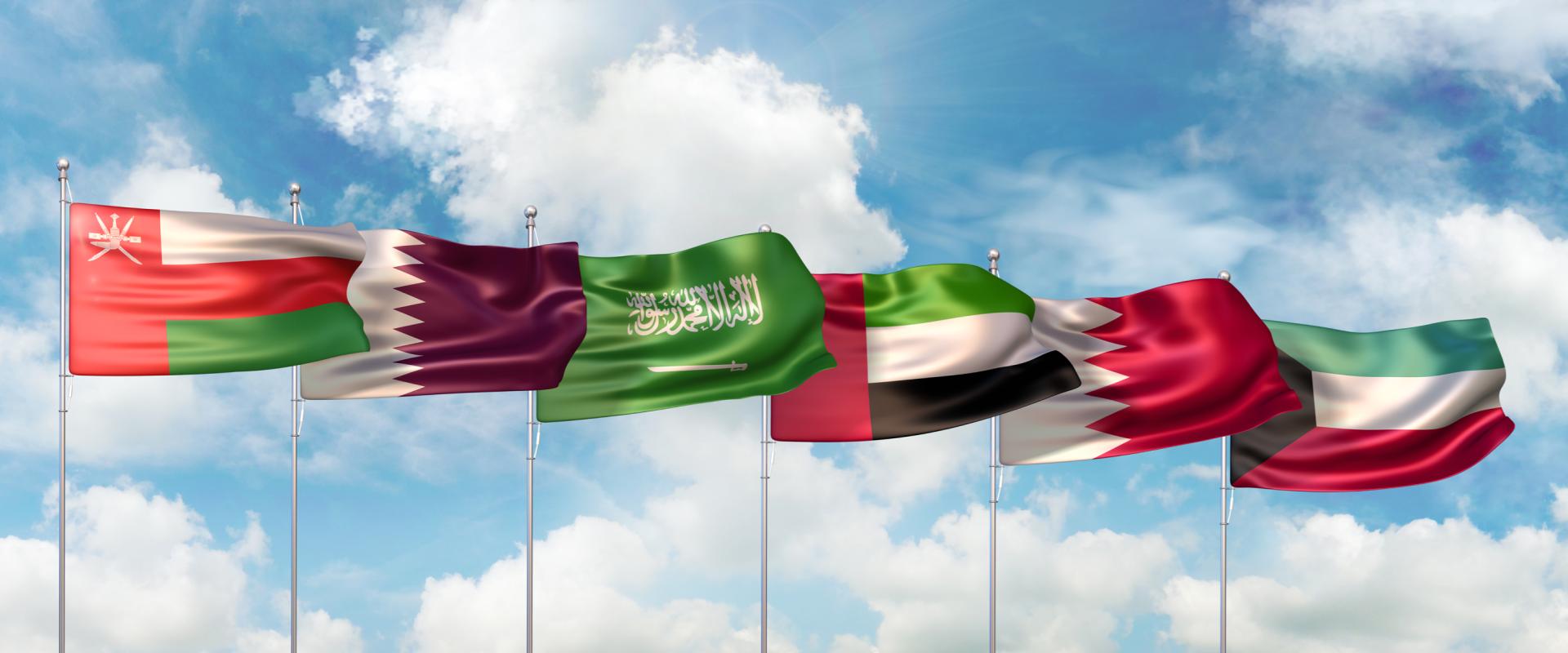
Establishing a GCC-Owned Business in Saudi Arabia: A Step-by-Step Guide Gulf Cooperation Council (GCC) Business Landscape for GCC Nationals Key Differences: GCC-Owned Company & Foreign-Owned Company Step-by-Step Business Setup Process for a GCC National Post-Incorporation Process in Saudi Arabia Saudization Requirements Al Taasis is Your Forever Business Partner Gulf Cooperation Council (GCC) The Gulf Cooperation Council is a union for the Arab states of the Gulf, founded in Abu Dhabi in 1981. The member states are the Kingdom of Bahrain, Kuwait, the Sultanate of Oman, Qatar, the Kingdom of Saudi Arabia, and the United Arab Emirates. The GCC headquarters is in Saudi Arabia. Business Landscape for GCC Nationals in Saudi Arabia Saudi Arabia is on good terms with GCC countries. The Kingdom treats GCC nationals as Saudi citizens, so they get the same business opportunities and incentives as locals in the Kingdom. The Public Investment Fund supports businesses owned by GCC nationals. There is no negative list for GCC nationals; they are free to conduct business in any Saudi sector. They have access to GCC common market. The bank account opening process takes only two to three weeks for a GCC national in Saudi Arabia. Key Differences: Setting Up GCC-Owned Company & Foreign-Owned Company Differences GCC National Foreign Investor Business Type Establishment of all business structures Establishment of only branches and subsidiaries Investment License Not required. Required. Trading Activities Trading activities can be carried out without minimum capital requirements. Minimum capital of 30 million with three branches are required to conduct trading activities. Saudi Sectors Business can be conducted across all Saudi sectors. Some sectors are restricted and fall into the negative list for foreigners. Taxation Only 2.5% Zakat tax and 15% VAT. Corporate tax is 20% of the net adjusted profits. Withholding tax is 5% to 20%. Step-by-Step Process for Setting Up Business for a GCC National Step 1: Partner with Al Taasis You can solely focus on your growth strategies by delegating your business setup responsibility to Al Taasis. Our expert team will provide honest advice on choosing the right business structure for your business. Each Saudi sector has specific rules and requirements. We will guide you about the sector-specific requirements as per your business type. Step 2: Documentation Our expert team will review your documents and guide you about the attestation requirements. We also help you with the attestation of your documents. Contact us to know more about the document requirements. Step 3: Trade Name Reservation A trade name is your business identity. We help you reserve a suitable trade name that complies with the government’s requirements. Step 4: Commercial Registration As a GCC national, you are not required to have an investment license from the Ministry of Investment Saudi Arabia (MISA). After the documentation process, we will help your business register with the Ministry of Commerce. The validity of Commercial Registration will be one year. After one year, Al Taasis will help you with the renewal process. Step 5: Articles of Association At this step, we will help you draft and attest your company’s Articles of Association (AoA). Step 6: Virtual Office and National Address Registration A national address is an internationally approved standard address for your business in Saudi Arabia. We help you with the national address registration process. You may set up a physical or virtual office in Saudi Arabia. We offer you a virtual office package that would fit your requirements. A virtual office will be the right option if you want to work remotely and save the cost. Contact us to know more. Step 7: Registration with the Ministry of Human Resources and Social Development (HRSD) The Ministry of Human Resources and Social Development (HRSD) is responsible for issuing visas to allow labour in Saudi Arabia. We assist you in registration with HRSD, so you will be authorised to hire employees for your company. Step 8: Registration with the General Organization of Social Insurance (GOSI) Registration with the General Organization of Social Insurance allows you to process your employees’ salaries, and the government keeps records of the Saudization quota system for your company. Al Taasis helps you register with GOSI. Post-Incorporation Process in Saudi Arabia As mentioned earlier, foreign investors require the MISA license before the commercial registration of their business, and this step is not required for GCC nationals. From the commercial registration onward, the steps are the same for both the foreign investor and GCC national. To know about the next steps of your business journey, please read our blog: Post-Incorporation Process in Saudi Arabia Saudization Requirements Our blog on Saudization and Nitaqat System is comprehensive enough to provide in-depth information to understand Saudization and the rating system in Saudi Arabia. It is not a requirement for a GCC-owned company to hire a Saudi national as its general manager. If a GCC-owned company wants to hire a foreign general manager, the company must employ at least one Saudi national as a first employee. We can help you with hiring talented Saudi national employees for your business. Outsource your Employee Management to Al Taasis. Saudization requirements may vary depending on the Saudi sector your business lies in and your business activities. Contact us to understand the specific requirements of Saudization for your business. Al Taasis is Your Forever Business Partner Start your new business venture or expand your successful business to Saudi Arabia with Al Taasis. We have the right expertise for setting up small and medium establishments (SMEs) and large companies. Start a locally-owned, profitable business in Saudi Arabia with Al Taasis! Contact us to know more about the prerequisites of your business journey. Subscribe to Our Newsletter! Enter your email to receive our monthly newsletter. Popular Articles Opening Digital Business Account with Wio Bank Saudi Arabia’s Economic Cities KSA, an Irresistible Attraction for Tourists Government Entities and Online Portals Dealing with Import and Selling in Saudi Arabia: SFDA, SASO, SABER and FASAH Business Licenses Offered by MISA to Foreign Investors Visa Types in Saudi Arabia No posts found

Establishing a GCC-Owned Business in Saudi Arabia Read More »

Understanding Difference between Branch and Subsidiary

Understanding Difference between Branch and Subsidiary Introduction Branch Subsidiary Establishing Branch vs Subsidiary Key Differences between Branch and Subsidiary Advantages and Disadvantages of Branch vs Subsidiary Al Taasis is Your Forever Business Partner Introduction You aspire to expand your business and look into potential growth opportunities, but you need to figure out which corporate structure is more suitable. It is important to know your options and understand the differences. What will be your primary business activity? How will you manage taxation and liability? The requirements for establishing a branch and subsidiary vary from country to country. Contact us to learn more about the specific requirements in Saudi Arabia. This article will guide you on how branches and subsidiaries work and their pros and cons. Branch A branch is an extension of a company; however, branches are physically present in multiple locations. Branches are set up to access diverse markets for business and provide services to large number of customers. It has no distinct legal identity. A branch office is an integral part of its parent company. The company is liable for any actions of the branch. Every company branch has different sales targets, and they compete with other branches. The branches carry out the same business activities as its head office. The branch manager reports to the head office. Usually, branches share the same marketing materials, but they must adapt to the marketing techniques that suit the target audience of the foreign country where it is located. Please read our blog Why should you open a branch office in Saudi Arabia? Subsidiary A subsidiary is legally independent, but its shares are owned or held by another larger company called a holding company. The holding company and its subsidiaries are known as a corporate group. Though a subsidiary is controlled by its parent company, it has a separate legal identity from the parent company. Even the parent company is not liable for the subsidiary activities. It can enter into contracts in its name. It is liable to separate taxes from its parent company. Establishing Branch versus Subsidiary The branches are set up to increase customer reach and approach diverse markets, whereas a subsidiary is formed for a broader expansion strategy. Every country has different laws and regulations for setting up branches and subsidiaries. We are well-informed about Saudi local laws. Al Taasis is your trusted business setup partner for expansion to Saudi Arabia. Ten Key Differences between Branch and Subsidiary Key Differences Branch Subsidiary Reporting Entity Head office Holding company Resources and Systems Rely on head office May or may not rely on holding company Business Activities Restricted to conducting the same activities as the parent company May or may not conduct the same activities as the holding company Branding Share the same logos & slogans Own unique branding Legal Status Same legal standing as the parent company Separate legal standing from its holding company Liability Extends to its parent company The holding company owns no liability for the subsidiary. Account Maintenance May or may not maintain joint accounts with the head office Separate accounts from the holding company Ownership Fully owned by the parent company 50%-100% owned by the holding company Financial Loss In case of loss, the parent company can close the branch. If a subsidiary does not turn out to be profitable, it can be sold. Key Differences between Branch and Subsidiary Branches and subsidiaries may have some common characteristics, but their structures are different from each other. The differences include the following: Business Activities A branch carries out the same business activities as its parent company, whereas a subsidiary can conduct a separate business activity from its holding company. Branding Branches follow the branding of their parent company. They will share the same logos, fonts, messaging, and slogans. Subsidiaries have branding that may or may not be the same as the holding company. Legal status The legal status of a branch is the same as its company, while the subsidiary has separate legal standing from its holding company. Liability A branch’s liability extends to its parent company, whereas for a subsidiary, it does not extend to the holding company. The parent company is solely responsible for the actions of its branch, while it has no legal liability for the subsidiary. Account Maintenance Branch accounts may or may not be managed by the parent company. Subsidiary financials are separate from its holding company. Ownership A branch is wholly owned by its parent company, while the holding company partially owns a subsidiary, and the shares range from 50-100%. Financial Loss In case of financial loss, the parent company is responsible for the debts of the branch office. A subsidiary is responsible itself for its loss and debts. Advantages and Disadvantages of Branch versus Subsidiary While considering the right option for expanding to Saudi Arabia, you must be aware of the advantages and disadvantages of setting up each. You can establish your business compliantly with the proper knowledge and a trusted partner, Al Taasis. Pros & Cons Branch Office Subsidiary Incorporation Simple & straightforward Complex procedures as compared to a branch Cost Cheaper than a subsidiary Expensive than a branch Managerial Control The head office has full control of its branch managers and staff. The holding company does not have full control over a subsidiary and its staff. Liquidation Simple closure with the transfer of staff and assets, but the parent company is liable for the branch’s debts. Liquidated and de-registered with complex procedures as compared to a branch Legal Liability The parent company can be sued for the actions of its branch. The holding company is not legally liable for the actions of subsidiary. Taxation Liable to corporate income tax as per foreign country where it is located. Taxed only on the profit, which is attributed to the branch raising uncertainty in tax calculation. Liable to corporate income tax as per foreign country where it is located. Taxation is clear and straightforward for a subsidiary. Visa and Immigration

Understanding Difference between Branch and Subsidiary Read More »

Start Your Food Business in Saudi Arabia

Start Your Food Business in Saudi Arabia with Al Taasis Overview Is Food a Profitable Business in Saudi Arabia? Writing a Business Plan for Your Restaurant Legal Requirements for Setting up Food Business Staff Recruitment for Restaurant Al Taasis is Your Forever Business Partner Launching a successful food business from scratch in Saudi Arabia requires careful planning, hard work and prior knowledge of the Saudi business landscape. Setting up with the right business partner can make it one of the most rewarding businesses in the Kingdom. Overview Starting a food business depends on a good business plan, understanding the market, selecting the right location, hiring experienced staff, obtaining permits and licenses, managing inventory and supplies, creating an atmosphere that appeals to customers, marketing your business and more. It can be a tremendous task despite having previous experience! Even if you have planned everything well, there are still lots of legal processes and local laws in Saudi Arabia, and you will need to make decisions wisely. Al Taasis keeps you stress-free by taking responsibility for your business setup. With proper planning and execution, you can start a successful food business in Saudi Arabia This blog will explain what to know and expect at each step of setting up your business in Saudi Arabia. Is food a Profitable Business in Saudi Arabia? The food business is one of the top businesses in Saudi Arabia as it is the largest consumer market in the Middle East. Saudi Arabia and the United Arab Emirates represent 90% of the drink and food sector in the Gulf Cooperation Council district. The Saudi Arabia food service market is projected to grow from $14.16 billion in 2022 to $30.47 billion by 2029, at a CAGR of 11.57% in the forecast period. Due to outgrowing tourism and social media influence, Saudi Arabia has transformed its socio-cultural practices. A rising culture of dining out at cafes, restaurants, fast-food chains or other food services has expanded the food industry business in Saudi Arabia. Adoption of western food trends The increasing number of food malls and food courts Expansion of international brands and food chains Writing a Business Plan for Your Restaurant Starting a restaurant in Saudi Arabia means entering a highly competitive space. So how will you stand out and build a business that will grow? The most popular restaurants in Saudi Arabia are Middle Eastern, Indian, Italian, Lebanese and Asian. In case one of these is not your speciality, no worries! Food trends are rising, and the Saudi food market welcomes international cuisine. Your restaurant business can grow fast by designing a stunning venue, creating menus and offering delicious dishes. To do it rightly and ensure compliance with Saudi laws and regulations, you need a trusted business partner, Al Taasis. Write a great business plan and strategy by asking yourself the following questions: Niche: Will you open a fast-food shop, start a food truck, or open a café or restaurant? Cuisine: Which food will be the right choice to serve in Saudi Arabia? What food need will you fill? Target Market: Who will be your potential customers? What style of food and service does interest them? Competitors: Which restaurants are already serving the market? How can you be different from them? Location: Which location will help you get more customers? Resources: What will be the expenses and cost for the complete setup? Styling: Will it be a quick service, casual or fine dining experience? How will your choice of venue, décor and setting create the atmosphere you want? Staffing: How will you hire the head chef and other staff that would fit your requirement The Service Style: Will customers order and get the food, or will you provide waiter service? Marketing Strategy: How will you promote your business? Which social platforms can you use? The Legal Requirements to Open a Restaurant in Saudi Arabia After writing your business plan, the next step is understanding the legal requirements to launch your business in Saudi Arabia. No matter how much you read or what research you do, you might feel overwhelmed with the bulk of information. For successful incorporation and practical business solutions, you can only rely on Al Taasis! Here is a quick review of the steps involved in your incorporation process. Selecting the legal structure of your business Restaurant Name Registration Obtaining an Investment License from the Ministry of Investment Saudi Arabia (MISA) Registration with the Ministry of Commerce Saudi Arabia (MCI) Getting approvals, licenses and permits from the concerned government entities Assistance to open a corporate bank account You must comply with health and safety standards in Saudi Arabia. Learn about the licenses and permits you require and hygiene and food safety regulations. Book a free consultation now, so we can guide you through the processes and the required documents. Staff Recruitment for Your Restaurant You are required to hire a certain number of local employees in Saudi Arabia. Please read our blog to understand Saudization and the Nitaqat system in Saudi Arabia. Saudization: Stay Green on Nitaqat System with Al Taasis The skilled and experienced staff can make your business successful. We can help you hire talented employees and manage their documentation, visas, work permits, medical insurance, payroll, etc. Focus on your core food business and outsource your employee management to Al Taasis. Tips to Successfully Run Your Restaurant Business After setting up your food business, you need to work hard to win customers. Here are some marketing tips from Al Taasis: Arrange a launch party and invite restaurant critics and media persons Build partnerships with other local businesses Promotional offers for your customer Connect with social media influencers Send a monthly email newsletter highlighting specials from the menu and offers Al Taasis is Your Forever Business Partner From choosing the location of your restaurant to designing your menu, there is plenty to think about to make your new venture prosper. Focus on developing your strategy, and leave the rest to us! We will help you build

Start Your Food Business in Saudi Arabia Read More »

Saudization: Stay Green on Nitaqat System

Saudization: Stay Green on Nitaqat System with Al Taasis Saudization Nitaqat program HRSD Services for Each Nitaqat Range The Nitaqat Red Range Factors Determining Nitaqat Status Benefits of Saudization for Foreign-Owned Companies Al Taasis is Your Forever Business Partner Al Taasis understands Saudi local laws and regulations for setting up and running businesses compliantly in the Kingdom. This blog will take you through Saudization and Nitaqat system in Saudi Arabia. Saudization or Saudi Nationalization Scheme The Kingdom initiated Saudization or workforce nationalization in 2011, and the Ministry of Human Resources and Social Development of Saudi Arabia implemented the policy of Saudisation to encourage the employment of skilled and qualified Saudi nationals. In alignment with the Saudi national employment scheme, private-sector companies in the Kingdom are required to hire a certain number of Saudi nationals. The Saudisation percentage varies from sector to sector. Start your company with Al Taasis to get thorough guidance about the sector-specific requirements for hiring Saudi nationals. Nitaqat Program Nitaqat is an Arabic word that means ranges. The Nitaqat rating system was introduced to ensure the private sector’s compliance with the nationalization program. The purpose of the Nitaqat rating system is to maintain Saudization and decrease the unemployment rate of nationals in the Kingdom. Under the Nitaqat rating system, private companies are ranked in colour-coded categories according to the number of Saudi employees: Platinum, High Green, Medium Green, Low Green and Red. HRSD Services for Each Nitaqat Range HRSD: Ministry of Human Resources and Social Development HRSD Services Platinum Range High Green Range Medium Green Range Low Green Range Receiving applications for visa balance for available occupations ✔ ✔ ✔ ✖ Transfer of occupations of expatriate employees to other available occupations ✔ ✔ ✔ ✔ Renewal of the work permits of expatriate employees ✔ ✔ ✔ ✔ Transfer of services of expatriate employees from any range ✔ ✔ ✔ ✔ Compensatory visa for employees with left permanently status ✔ ✔ ✔ ✔ Instant calculation in the Nitaqat program ✔ ✔ ✔ ✔ What does the Nitaqat Red Range Indicate? The entity falling in the red range is ineligible for changing occupations of its foreign employees, and their services are non-transferable. The entity cannot apply for new visas or get work permits for new foreign employees. The entity is prohibited from renewing of work permits of its existing foreign employees. The entity is restricted from opening its new branch or a new firm. The lower-ranking entities are penalized, and their restrictions are only lifted if they improve their Saudization level. But, with Al Taasis, you need not worry! We can help you improve and maintain your Saudization level with skilled Saudi national employees. Outsource your employee management to Al Taasis. Factors Determining Nitaqat Status The number of required Saudi employees in an entity depends upon the industry and business activity. Companies with over six employees are required to hire a specific percentage of Saudi locals. If the number of employees is less than 6, companies have an exemption from the rating system, but they must hire one Saudi local. The Nitaqat status of an entity depends on the following factors: Entity Classification An entity is classified on the basis of its registered business activities. Entity Size An entity size is decided by the total number of employees working there. Saudisation Percentage The number of Saudi national employees in an entity indicates the percentage of Saudization. Entity Size Classification Number of Employees Entity Size 0-5 employees A small entity under category (A) 6-49 employees A small entity under category (B) 50-99 employees A medium entity under category (A) 100-199 employees A medium entity under category (B) 200-499 employees A medium entity under category (C) 500-2999 employees Large entity More than 3000 employees Mega entity Benefits of Saudization for Foreign-owned Companies By hiring the right Saudi employees and investing in their training to improve their skills, your company will get a better workforce, and their engagement with your business will increase. As per your company’s Nitaqat status, your company will be eligible to access various services provided by the Ministry of Labour. Contact us to learn more. The Nitaqat status of a company is beneficial for business growth and networking. With the badge of trust, your employees feel secure, and your clients and stakeholders trust you more. The employees’ visas, work permits, renewals and all immigration-related processes will be fast and hassle-free. Al Taasis is Your Forever Business Partner Before incorporating your company in Saudi Arabia, you must be aware of the Saudization level required for your company and follow a strategy to avoid compliance issues in the Kingdom. You must review the Saudization plan for your company annually and revise the strategy to maintain the Nitaqat green status. Al Taasis can help you understand Saudization requirements for your specific business activity and assist you with hiring talented Saudi nationals. With us, your company status will stay in the green zone, and you can focus on your business growth. Contact us to know more about the prerequisites of your business journey. Subscribe to Our Newsletter! Enter your email to receive our monthly newsletter. Popular Articles Opening Digital Business Account with Wio Bank Saudi Arabia’s Economic Cities KSA, an Irresistible Attraction for Tourists Government Entities and Online Portals Dealing with Import and Selling in Saudi Arabia: SFDA, SASO, SABER and FASAH Business Licenses Offered by MISA to Foreign Investors Visa Types in Saudi Arabia No posts found

Saudization: Stay Green on Nitaqat System Read More »

Top Five Businesses to Start in Saudi Arabia in 2023

Top Five Businesses to Start in Saudi Arabia in 2023 Al Taasis brings market insights to help you identify the sectors driving growth and make well-informed decisions. Here are our top picks for business opportunities in Saudi Arabia in 2023. Saudi Arabia is generating business opportunities for foreign companies and rapidly transforming into an investment hub. The Kingdom’s Vision 2030 is a roadmap to build a sustainable and thriving future, diversifying the economy and boosting the private sector. The Kingdom has introduced and implemented various strategies to accelerate its goal for a diversified economy. The Kingdom’s Public Investment Fund fully supports businesses and backs foreign investments. The Saudi entrepreneurial landscape and compelling venture capital opportunities have made it a destination of choice for businesses. The Saudi government has implemented proactive policies to support the private sector. Read the full blog to understand what makes these businesses the top options in 2023 and how Al Taasis can support you. Food and Beverage Business in Saudi Arabia The Food Sector of Saudi Arabia is the largest and most attractive market in the Middle East. The Food and Beverage Sector has become a significant attraction for investors in the Kingdom as modern cafes, trendy food trucks, luxury restaurants and fast food chains are opening across the Kingdom. The Kingdom is hopeful for 4.78% annual growth as Food Sector is a rapidly growing market. (CAGR 2022-2027). Nestle, the world’s largest food & beverage company, has entered the Saudi market with an investment plan of seven billion SAR. One of its aims is to establish a business incubator for small and medium-sized companies (SMEs) and start-ups. Till December 2022, the volume of investment in the Saudi food industry is more than SR94 billion. The investment rate is continually increasing in Food Sector to achieve food security and meet the needs of the 36 million population. Bread, pies and cake factories are the top food-producing factories in the Kingdom. The investments in the thriving food industry will shoot up as Saudi Food Expo is upcoming in 2023. Gaming and Esports Business in Saudi Arabia The Saudi gaming market is the dominating market in the region and the 19th most significant market in the world. Saudi Gaming Industry is estimated to grow more than threefold by 2030. E-sports will lead the growth as about 29% of Saudi Arabia’s population, estimated at 36 million, is interested in e-sports. Saudi Public Investment Fund has invested over $3 billion in 2022 to develop the Gaming sector. The Saudi Gaming Market hit $1 billion in 2021 and is expected to reach $6.8 billion by 2030. The largest segment is Mobile Games, with a market volume of US$957.50m in 2022. The Kingdom launched National Gaming and Esports Strategy, outlining a comprehensive investment programme for the industry, with the ultimate goal of making the Kingdom a global gaming centre by 2030. Saudi Arabia will be hosting the 2023 Global Esports Games. Travel and Tourism Business in Saudi Arabia The Kingdom aims to attract 100 million visitors and ensure the tourism sector contributes 10% of the GDP by 2030. The Saudi government is working to transform the Kingdom into a leading travel destination. The government has taken a commendable initiative by introducing an E-Visa for citizens from 49 eligible countries. The Kingdom is developing several tourism projects, including Neom, Red Sea, and Qiddiya. With a new tourism law in 2022, the Kingdom has accelerated tourism sector development and attracted global investments. The tourism law aims to enhance the economic contribution of the tourism sector from 3% of the gross domestic product to 10% by 2030. The Kingdom is looking forward to hosting major sports events in upcoming years and expecting a boost in sports tourism. Contact us to know more about the prerequisites of your business journey. Healthcare Business in Saudi Arabia The Kingdom launched Health Sector Transformation Programme in 2022. This programme aims at providing inclusive healthcare services to 88% of the population by 2025. Private sector participation will increase from 40% to 65% by 2030. The Saudi pharmaceutical market is the largest in the Middle East, estimated to touch $11 billion in 2026. The Saudi population is expected to grow by approximately 36 million to 40 million by 2030. The Kingdom reflects its focus on Healthcare Sector by holding Eastern Health Cluster Conference in March 2023 and Global Health Exhibition in October 2023. Foreign Investors have ample opportunities in Saudi healthcare. Sports Business in Saudi Arabia The sports industry in Saudi Arabia is growing at a rapid pace as the government is making mass investments. Sports Cities and local sports clubs are located across all cities and towns of the Kingdom. Saudi sports events industry will have an estimated market value of US$3.3 billion by 2024. Saudi citizens take a keen interest in sporting events; that’s why the Kingdom encourages popular spectator sports. The Kingdom has hosted various sporting events. Saudi Arabia eyes hosting the Asian Football Confederation (AFC) Women’s Asian Cup in 2026, FIFA World Cup in 2030 and Asian Winter Games in 2029. Saudi Arabia will have a direct economic impact by hosting sporting events: spectator revenues like ticketing, food and beverages, accommodation, athlete spending and sponsorships. The private sector can benefit from the organisation of sports events, providing sports infrastructure and running sports marketing agencies or managing events. Al Taasis Stays ahead of the Curve for Supporting Businesses in Saudi Arabia We have the market knowledge and expertise to set up businesses across all Saudi sectors. Our dedicated local team goes the extra mile to build your business smoothly and compliantly. Contact us to know more about the prerequisites of your business journey. Subscribe to Our Newsletter! Enter your email to receive our monthly newsletter. Popular Articles Opening Digital Business Account with Wio Bank Saudi Arabia’s Economic Cities KSA, an Irresistible Attraction for Tourists Government Entities and Online Portals Dealing with Import and Selling in Saudi Arabia: SFDA, SASO, SABER and FASAH Business Licenses Offered by MISA to

Top Five Businesses to Start in Saudi Arabia in 2023 Read More »